

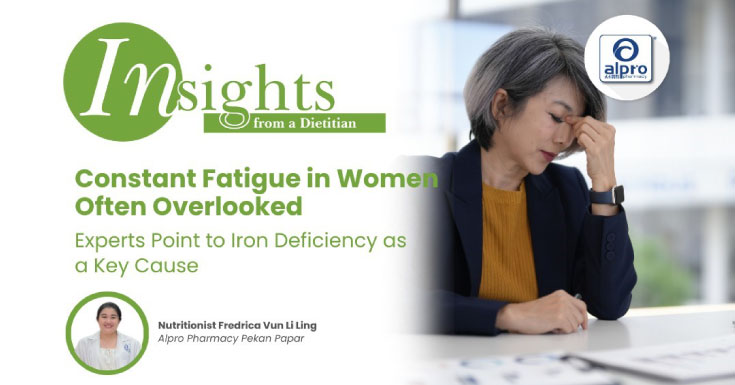
Many women today describe feeling “tired all the time,” even after a full night’s sleep. Between work, family responsibilities, hormonal changes, and busy routines, exhaustion is often brushed off as part of modern womanhood.
But feeling constantly drained should not always be considered “normal.”
As a nutritionist, I would say one of the most overlooked reasons behind chronic tiredness in women is iron deficiency, a condition that affects women far more commonly than men.
Why are women more prone to iron deficiency
Women naturally require more iron due to regular menstrual blood loss and the increased nutritional demands during pregnancy and breastfeeding. In fact, while adult men generally require only around 9mg of iron daily, women may need about 19–29mg per day, almost double or even triple the amount, with requirements increasing even further during pregnancy and postpartum recovery.
Every month during menstruation, women lose blood. Over time, especially with heavy periods, iron stores can gradually become depleted if dietary intake is insufficient.
Many women are also eating similarly to male family members without realising their nutritional requirements are actually much higher.
More than just feeling tired
Iron helps produce haemoglobin, the protein in red blood cells responsible for carrying oxygen throughout the body.
Think of it as the body’s “oxygen delivery system.” When iron levels become too low, less oxygen reaches the brain, muscles, and organs — which is why low iron does not just make women feel sleepy, but physically drained and mentally sluggish too.
Common signs may include:
- Constant fatigue or low energy
- Brain fog and poor concentration
- Dizziness or headaches
- Pale skin
- Hair fall or brittle nails
- Shortness of breath during routine activities
Because iron levels often decline slowly over time, many women gradually adapt to feeling exhausted and may not realise something is wrong until symptoms become more severe.
Modern lifestyles may worsen the problem
Beyond biology, modern eating habits can also contribute to low iron intake among women.
Meal skipping, restrictive dieting, low-protein eating patterns, and heavily processed foods may reduce overall iron consumption. Women who are constantly rushing between responsibilities may prioritise convenience over nutrient quality without realising the long-term impact.
There is also a common misconception that eating three meals a day automatically means nutritional needs are met. In reality, nutrient quality and absorption matter just as much as meal quantity.
Nutrition strategies to support healthy iron levels
Supporting healthy iron levels is not simply about eating more — it is about eating smarter and more consistently.
Some practical iron-rich foods that are easily found in daily meals include:
- 1 whole egg: approximately 1mg iron
- 1 cup cooked spinach: approximately 4mg iron
- 100g sardines: approximately 3mg iron
- ½ cup cooked dhal/lentils: approximately 3mg iron
- 100g chicken: approximately 1mg iron
- 100g tofu: approximately 5mg iron
Animal-based iron is generally absorbed better by the body, but plant sources still contribute significantly when eaten consistently.
A simple trick to “upgrade” iron absorption is to include a vitamin C-rich fruit after meals. For example, having guava, oranges, kiwi, or strawberries after lunch or dinner can help the body absorb iron from that meal more effectively.
Love coffee or tea? You do not need to avoid them completely — just try not to drink them together with your main meals every time. Enjoy them during tea time instead, as compounds in coffee and tea may reduce iron absorption when consumed alongside iron-rich meals.
Why early awareness matters
Untreated iron deficiency may eventually progress to iron deficiency anaemia, affecting energy levels, mood, concentration, and overall quality of life.
The challenge is that many women continue pushing through fatigue without recognising it as a possible health issue. If tiredness has become your “normal,” especially alongside heavy menstrual bleeding, postpartum recovery, or restrictive dieting, it may be worth checking your haemoglobin and ferritin levels.
Final message
Feeling exhausted all the time should not simply be accepted as part of being a woman. Sometimes, fatigue is the body’s way of signalling that iron stores are running low.
Understanding women’s unique nutritional needs and taking small but consistent steps through better food choices, smarter meal pairing, and early screening can go a long way in restoring energy, focus, and overall wellbeing.
Author: Nutritionist Fredrica Vun Li Ling,Alpro Pharmacy Pekan Papar
