

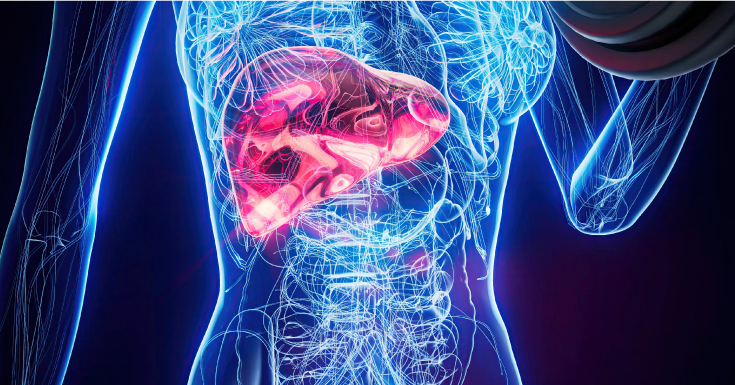
How a condition with few early symptoms can lead to serious liver damage, and why early detection matters
You may feel perfectly healthy, maintain a normal body weight and have no obvious symptoms, yet still have fatty liver disease. Often discovered during routine medical check-ups, the condition can progress silently, potentially leading to liver scarring, cirrhosis, liver cancer or liver failure.
The medical term for fatty liver is metabolic dysfunction-associated steatotic liver disease (MASLD). The disease is not limited to people who are overweight or consume alcohol. It is also associated with diabetes, high blood pressure and high cholesterol, making early detection particularly important for those with these risk factors.
In Malaysia, a study using 2023 Ministry of Health data estimated that 28.2% of adults, or about 6.7 million people, were affected by MASLD.
Dr Ganesalingam Kanagasabai, Consultant Gastroenterologist, and Dr R. Krishnan Raman, Consultant General and Hepatobiliary Surgeon, both at Subang Jaya Medical Centre (SJMC), explain how fatty liver disease can progress to serious liver conditions, including liver cancer, the importance of early detection and when liver transplantation may be considered for eligible patients.
WHY FATTY LIVER SHOULD NOT BE IGNORED
“Fatty liver disease rarely presents with symptoms in its early stages,” explains Dr Ganesalingam. It is often detected only when routine blood tests reveal abnormal liver enzyme levels or imaging identifies excess fat in the liver. Even people with a healthy body weight can develop fatty liver disease, particularly if they have excess fat around their internal organs, which is reflected in increased abdominal fat.
Although not everyone with fatty liver develops serious complications, excess fat can trigger inflammation known as metabolic dysfunction-associated steatohepatitis (MASH). If left unmanaged, persistent inflammation can lead to liver scarring (fibrosis), which may progress to cirrhosis and increase the risk of liver failure and liver cancer.
“A significant proportion of people with fatty liver disease develop cardiovascular disease and non-liver-related cancers,” Dr Ganesalingam added.
DETECTING LIVER DAMAGE EARLY
Because fatty liver disease can develop without symptoms, people with metabolic risk factors should discuss appropriate liver assessments with their doctors.
Doctors can assess liver health through blood tests and imaging. The FIB-4 score uses a patient’s age, platelet count and liver enzyme results to estimate the risk of liver scarring. Where further assessment is needed, a Vibration-Controlled Transient Elastography (VCTE) measures liver stiffness to help evaluate scarring. An abdominal ultrasound can also detect fatty liver, although it may miss milder cases.
CAN FATTY LIVER BE REVERSED?
Fatty liver can often improve, particularly before extensive scarring develops. According to Dr Ganesalingam, losing 5% to 7% of body weight may help reduce liver fat and inflammation, while weight loss exceeding 10% may improve inflammation and, in some patients, liver scarring.
Regular exercise, a balanced diet and managing conditions such as diabetes, high blood pressure and high cholesterol are also important. Dr Ganesalingam cautions against relying on unverified liver detox supplements, which may be ineffective or even cause liver injury.
However, patients with significant liver scarring still require medical monitoring, even if their liver health improves.
WHEN LIVER DISEASE BECOMES SERIOUS
As scarring progresses, cirrhosis can affect the liver’s ability to function. Patients may develop abdominal swelling caused by fluid accumulation, internal bleeding, jaundice or confusion caused by impaired liver function. Advanced disease can also lead to repeated hospital admissions, placing considerable strain on patients and their families.
Cirrhosis is also a major risk factor for liver cancer. For patients with cirrhosis, fatty liver, and metabolic risk factors, doctors may recommend surveillance, commonly involving an ultrasound and an alpha-fetoprotein (AFP) blood test every six months. Early detection of liver cancer improves patient outcomes and may increase the chances of a cure.
WHEN A LIVER TRANSPLANT BECOMES NECESSARY
For patients with end-stage liver disease or liver cancer, a transplant may be considered. According to Dr Krishnan, this may be necessary where severe liver damage causes complications such as recurrent fluid accumulation in the abdomen (ascites), serious bleeding, impaired brain function (hepatic encephalopathy) or worsening jaundice.
“Liver transplantation is a complex procedure that requires specialised facilities, often found in a quaternary-care hospital, and close coordination among a multidisciplinary team of specialists. These include surgeons, gastroenterologists, anaesthetists, radiologists, pathologists, intensive care teams and other healthcare professionals, who work together throughout the patient’s journey, from assessment to recovery,” shared Dr Krishnan.
Determining suitability requires careful assessment of the patient’s condition, overall health and, in cancer cases, factors such as the size and number of tumours. As for donors, we need to ensure donation is safe for them and that sufficient healthy liver tissue can be provided to the recipient
“If there is any evidence of disease, especially fatty liver, then the amount of liver we leave behind becomes more important,” Dr Krishnan added.
PROTECTING YOUR LIVER STARTS EARLY
Fatty liver does not inevitably lead to cirrhosis or cancer. Identifying the condition early and managing its underlying risk factors can help prevent serious complications.
Dr Ganesalingam encourages individuals to maintain a balanced diet, exercise regularly, avoid smoking and limit or avoid alcohol, particularly if they have existing liver disease. Those with diabetes, high blood pressure, high cholesterol or excess weight should seek medical advice on their liver health.
The message is clear: do not wait for symptoms to appear. Early detection and timely medical care can make a difference before liver damage becomes advanced.
For more information on liver transplant and related medical services, visit https://subangjayamedicalcentre.com/
 Dr Ganesalingam Kanagasabai,
Consultant Gastroenterologist,
SJMC
 Dr R. Krishnan Raman,
Consultant General and Hepatobiliary Surgeon,
SJMC
